
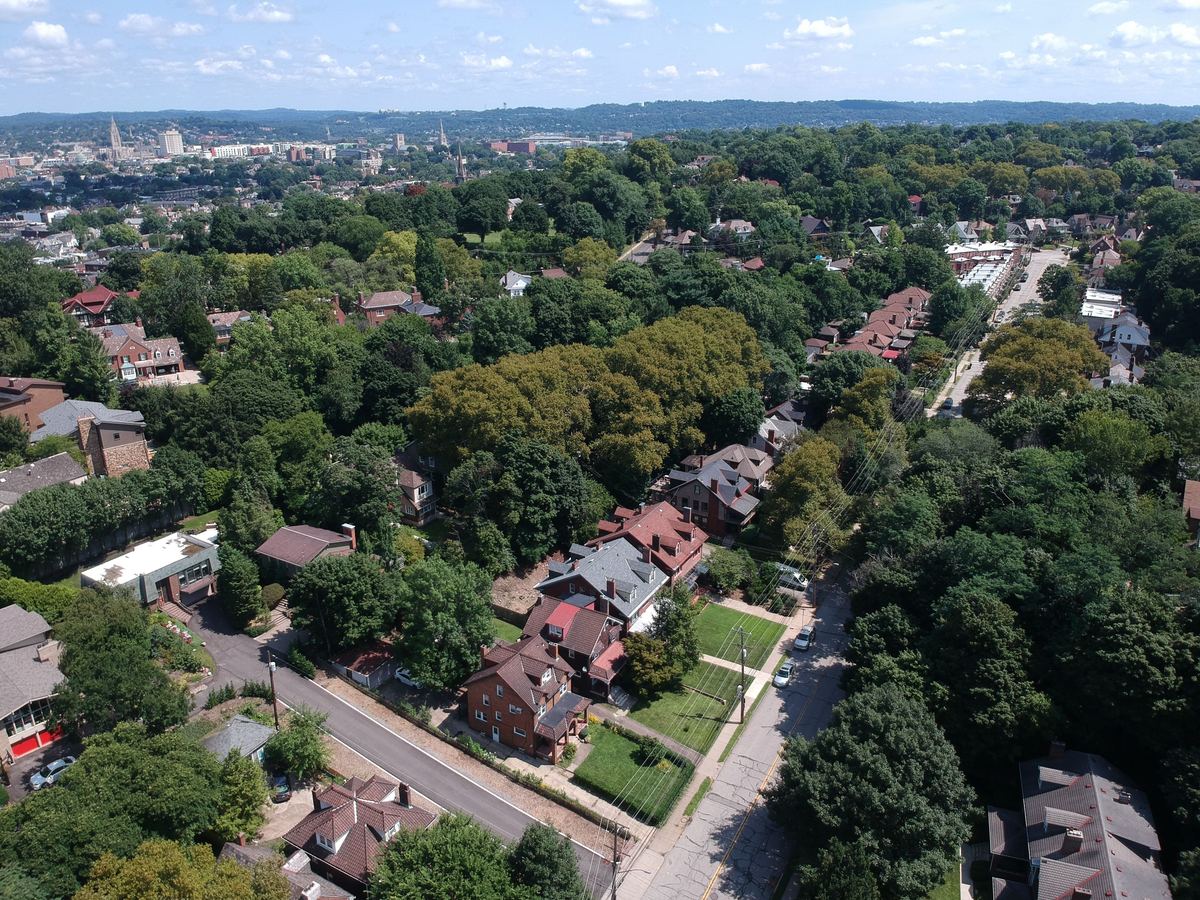
What Makes an HOA Different
In a homeowners association, each owner owns a home and its lot outright. The association owns and maintains the shared parts of the neighborhood, such as the entrance, common ground, amenities, and sometimes private streets, and it enforces the covenants recorded against every lot. Assessments from every owner pay for that upkeep and for the reserves behind it.
That makes HOA management less about one building and more about a neighborhood: keeping common areas in good shape, applying the covenants the same way on every street, and running an association that owners can follow and trust.
What We Manage for Homeowners Associations
- Assessment billing, online payments, payment posting, and collections
- Monthly financial statements, bank reconciliations, and budget preparation
- Reserve fund tracking, with support when the board orders a reserve study
- Common area upkeep, including landscaping, entrances, pools, ponds, and amenities, managed through competitive bids
- Architectural review requests, routed to your committee or board for a decision
- Covenant inspections and violation letters, following your documents and the board's direction
- Annual and board meetings: notices, agendas, packets, minutes, and elections
- Homeowner questions, requests, and the homeowner portal
- Governing documents and association records, plus resale packets when a home sells
Kentucky's Planned Community Act
Before 2023, Kentucky had no statute governing planned communities. The Planned Community Act, KRS 381.785 to 381.801, took effect June 29, 2023. It applies to homeowners associations across Kentucky, though not to condominiums, and provisions in governing documents recorded before that date generally remain in force unless the Act says otherwise.
The Act sets baseline expectations that take real volunteer time to meet:
- A board of at least three directors, elected from the owners (KRS 381.787)
- An annual budget, sent to all owners within 30 days of adoption, with an owner ratification meeting if it rises more than 15 percent (KRS 381.790 and 381.797)
- At least one annual meeting, with notice 10 to 30 days in advance (KRS 381.792)
- Board meetings open to owners, except executive sessions, unless the bylaws say otherwise (KRS 381.793)
- Financial, payment, and contractor records, minutes, and owner mailing addresses kept (KRS 381.790), with books, records, and minutes open to owners under reasonable standards (KRS 381.795)
- An annual financial report within 180 days of year end, ranging from a cash statement for smaller associations to an audit for associations with $1 million or more in revenue (KRS 381.794)
- Written notice and a chance to be heard before any fine (KRS 381.797)
Professional management puts each of these on a calendar so nothing depends on one volunteer remembering it. The Act is Kentucky law; associations in Southern Indiana answer to Indiana statutes and their own governing documents.
What Stays with Your Board
- Setting policy and priorities
- Approving the budget
- Approving contracts and expenses
- Deciding enforcement and fines
- Representing your neighbors
For Boards That Manage Themselves Today
Many Louisville HOAs are run entirely by volunteers. That works until the workload outgrows them. These are common signs it is time for help:
- The same two or three people do all the work, and no one wants to run for the board.
- Assessments are tracked in a spreadsheet, and collections depend on who is willing to knock on a neighbor's door.
- Financial reports are late, hard to read, or only one person understands them.
- Rule enforcement feels personal, because neighbors are enforcing rules against neighbors.
- Records are scattered across personal email accounts and the homes of past board members.
- Service contracts roll over each year with no one comparing prices.
Help does not have to mean full service. The scope can start small and grow with the association.
Why HOA Boards Choose Us
We Have Sat in Your Seat
Our principals have served as HOA presidents and board members, so we know the volunteer side of this work firsthand.
A Neutral Third Party
Covenants are enforced through a documented process that treats every owner alike, which takes the personal tension out of enforcement.
An Easy Start
A board-led transition usually runs 30 to 60 days, and your board stays in charge the whole way.
Homeowners Association Questions
How is an HOA different from a condominium association?
HOA owners own their homes and lots, and the association cares for the common areas. Condominium owners own their units and jointly own the building and grounds, so that association also carries the master insurance and the building's reserves. In Kentucky, HOAs fall under the Planned Community Act and condominiums under the condominium statutes.
Does Kentucky's Planned Community Act apply to existing HOAs?
Yes. The Act applies to planned communities across Kentucky. Provisions in governing documents recorded or adopted before June 29, 2023 generally remain in force unless the Act specifically says otherwise, and the Act does not apply to existing neighborhoods that have no homeowners association.
Does Kentucky require HOA managers to be licensed?
No. Kentucky has no license for community association managers. That puts the weight on the board's own choice of a manager and on the processes that manager follows.
Do we give up control if we hire a management company?
No. Your board sets policy, approves the budget and contracts, and decides enforcement. We carry out the daily work and bring the board what needs a vote.
Can we hire help for only part of the work?
Yes. Some boards want full service, and others begin with a single area, such as billing and financial reporting. Each agreement is written to fit the association.